


Albanian Wine Regions
Most wine lovers have never tasted Kallmet, Shesh or Vlosh. In Albania, people have been making wine for nearly three thousand years. Vines were already cultivated here in the eighth century BC, when this land was part of Illyria, and Roman writers recorded an Illyrian grape being carried across the sea to Italy.
Today, researchers count more than a hundred indigenous and regional grape varieties in the country, and many of them grow almost nowhere else.
Albania also climbs fast, from the sea to vineyards above 1,000 meters, and the wine changes with every step up. On the coastal plain, vines grow below 300 meters. The central hills sit between 300 and 600 meters, the east between 600 and 800, and the highlands go higher still. The six regions below follow that climb, from the coast to the mountains.
The coast & plain, below 300 meters
Vlorë
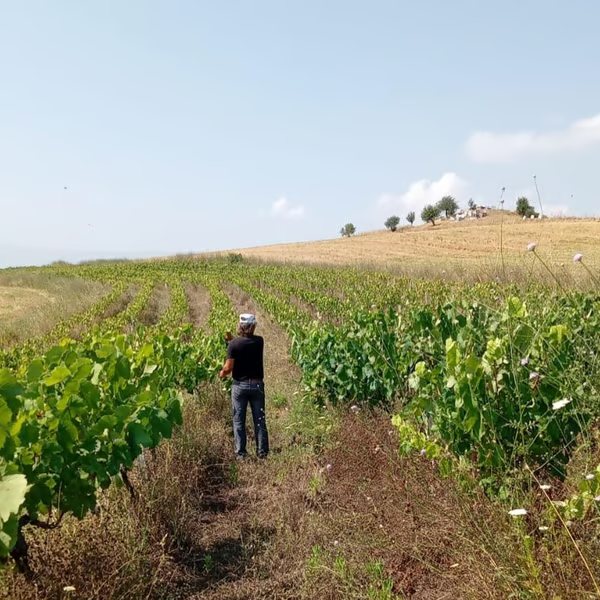
Start at the sea. On the southern coast, Vlorë is the home of Vlosh (say VLOHSH), a rare red found almost only on this coast. It ripens fast and gives growers little room for error, but a good bottle is light ruby and elegant enough that one local producer compares it to Nebbiolo, the grape behind Barolo. Dry summers and the nearby sea shape every vintage.
Try it with grilled fish or lamb.
Tirana
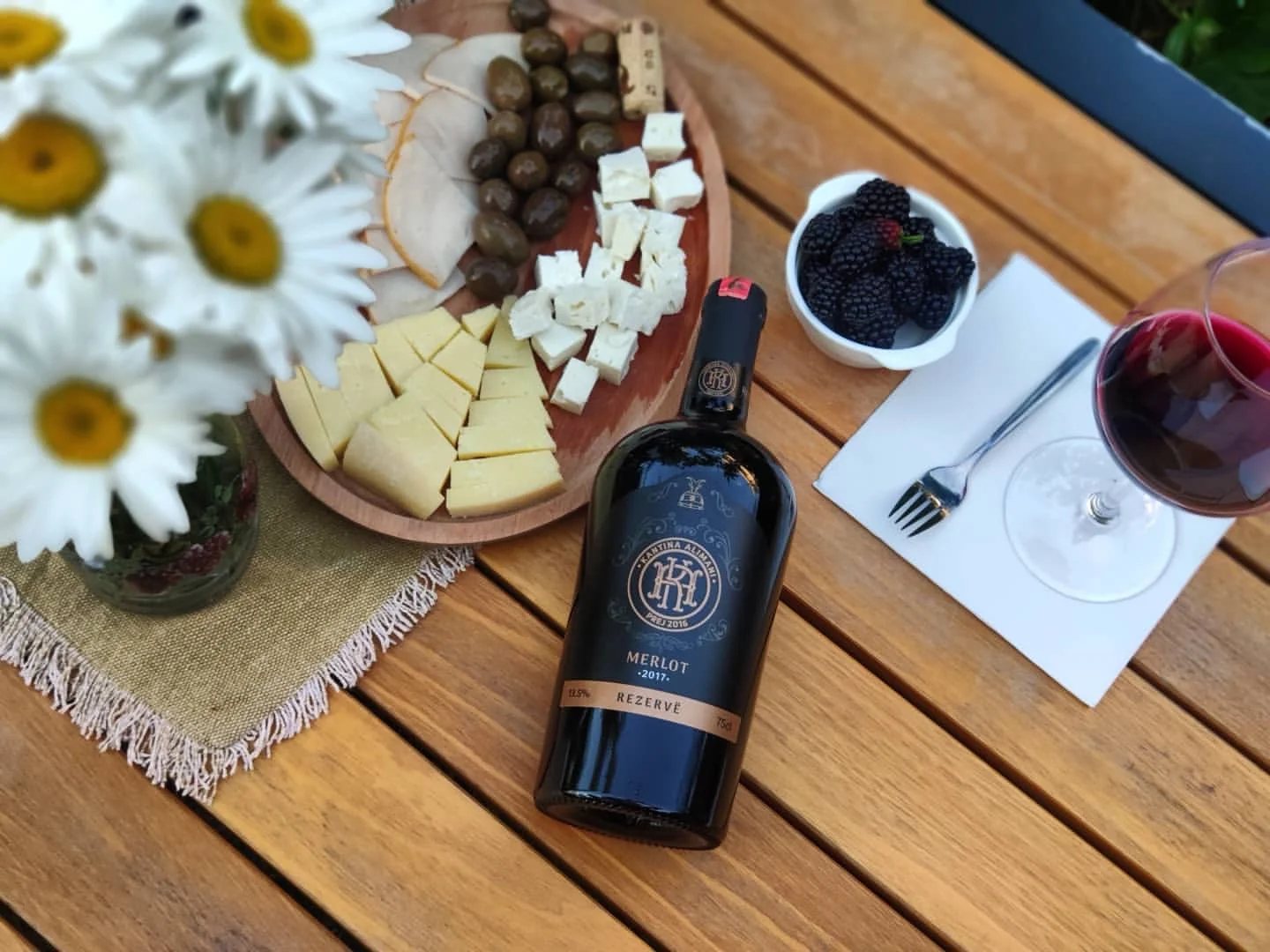
Head north to the hills around the capital, home to the two most planted grapes in Albania. Shesh i Bardhë (say shesh ee BARD uh) is crisp on its own and increasingly made as an orange wine. Shesh i Zi (say shesh ee ZEE) is its red partner. Native and international varieties grow side by side here.
Try Shesh i Bardhë with seafood, and Shesh i Zi with tavë kosi, the baked lamb and yogurt dish Albanians love.
Lezhë
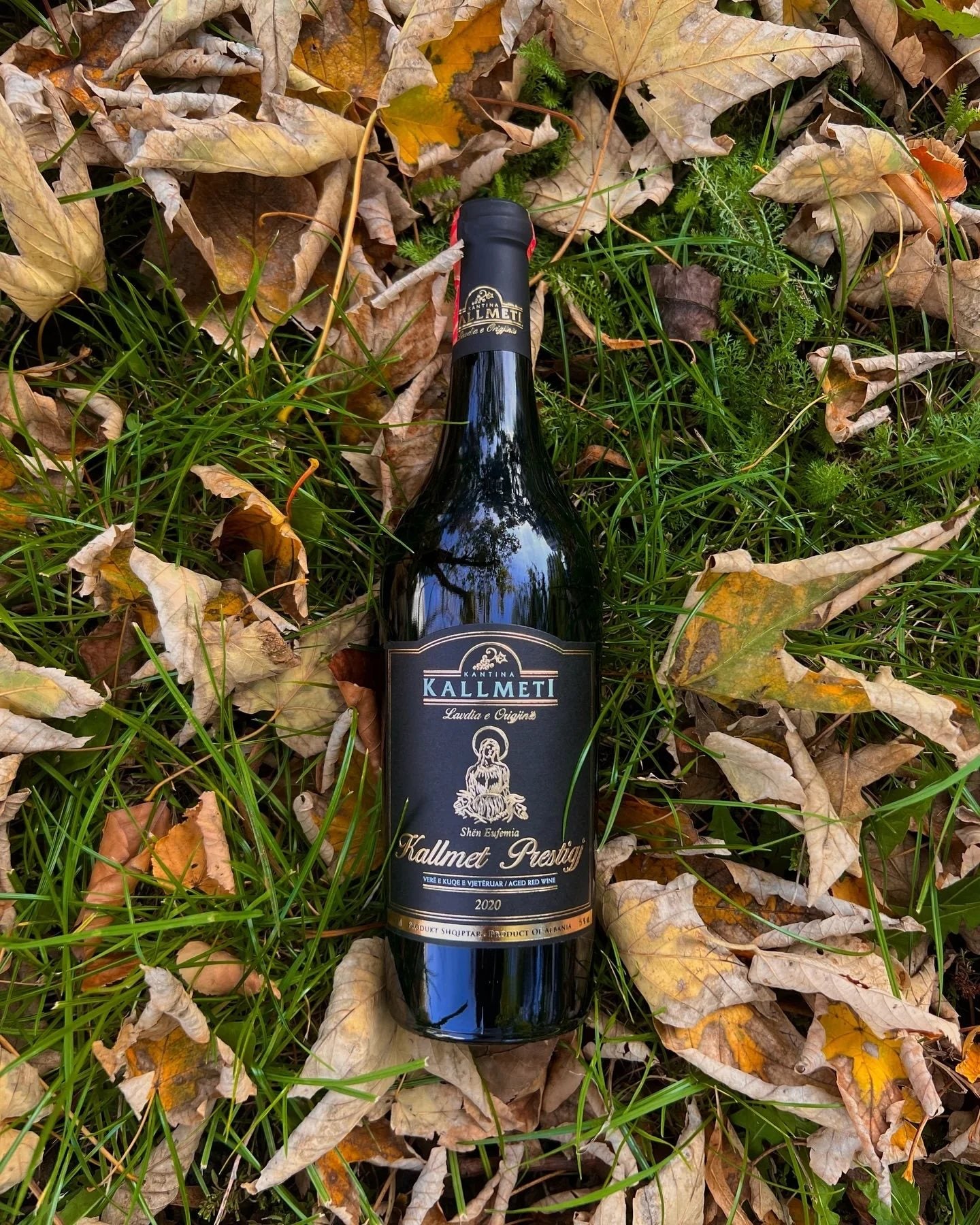
Farther north, Kallmet (say kahl MET) takes its name from the village of Kallmet, in the hills near Lezhë. It is planted from here to Shkodër and up into the highlands of Malësi e Madhe, and the area between Lezhë and Shkodër has long been counted among the finest wine districts in the country. Expect a dry, structured red with deep color. Kallmet is often linked to Kadarka, the red grape Hungary is known for.
Try it with roast meats and aged cheese.
Shkodër
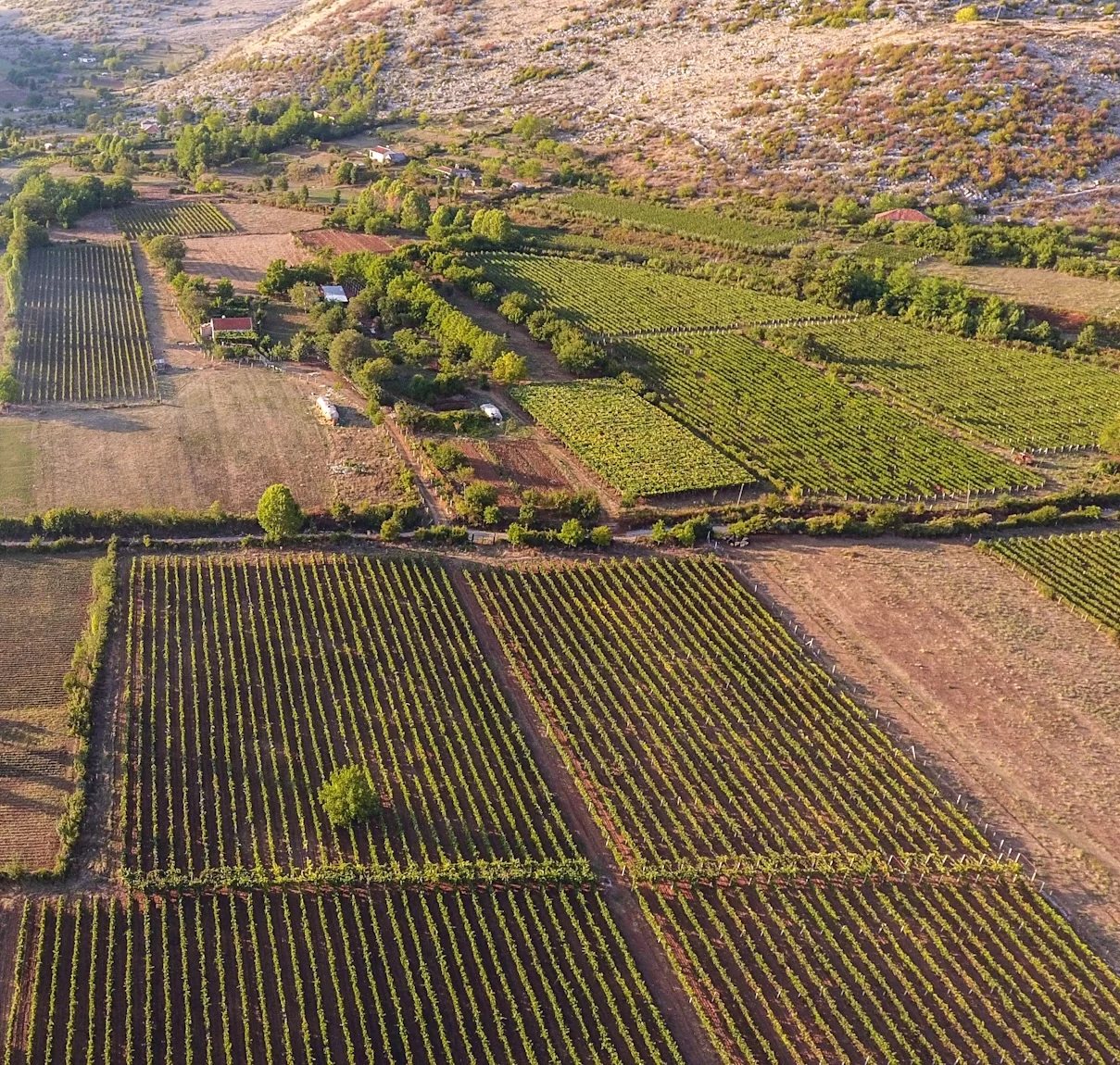
At the northern edge of the country, Shkodër also grows Vranac (say VRAH nahts), a dark red it shares with neighboring Montenegro. Vranac makes deep, tannic wines that are built for the table.
Try it with grilled meats or a slow cooked stew.
The central hills, 300 to 600 meters
Berat
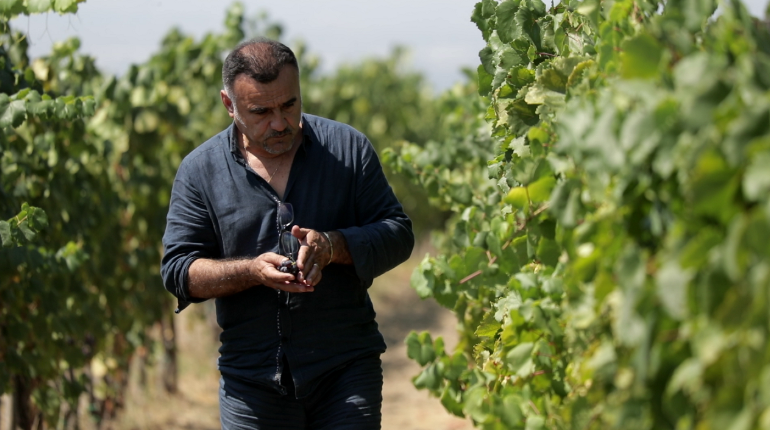
Climb into the central hills and you reach Berat, the city of a thousand windows and a UNESCO World Heritage Site. Grapes that have grown here for centuries still thrive. Pulës (say POO luhs) and Debinë e Bardhë are the local whites, and Pulës even makes a traditional method sparkling wine. Serinë and Debinë e Zezë are the local reds.
Try Pulës with byrek, the flaky pie that is a favorite across Albania.
The east, 600 to 800 meters
Korçë
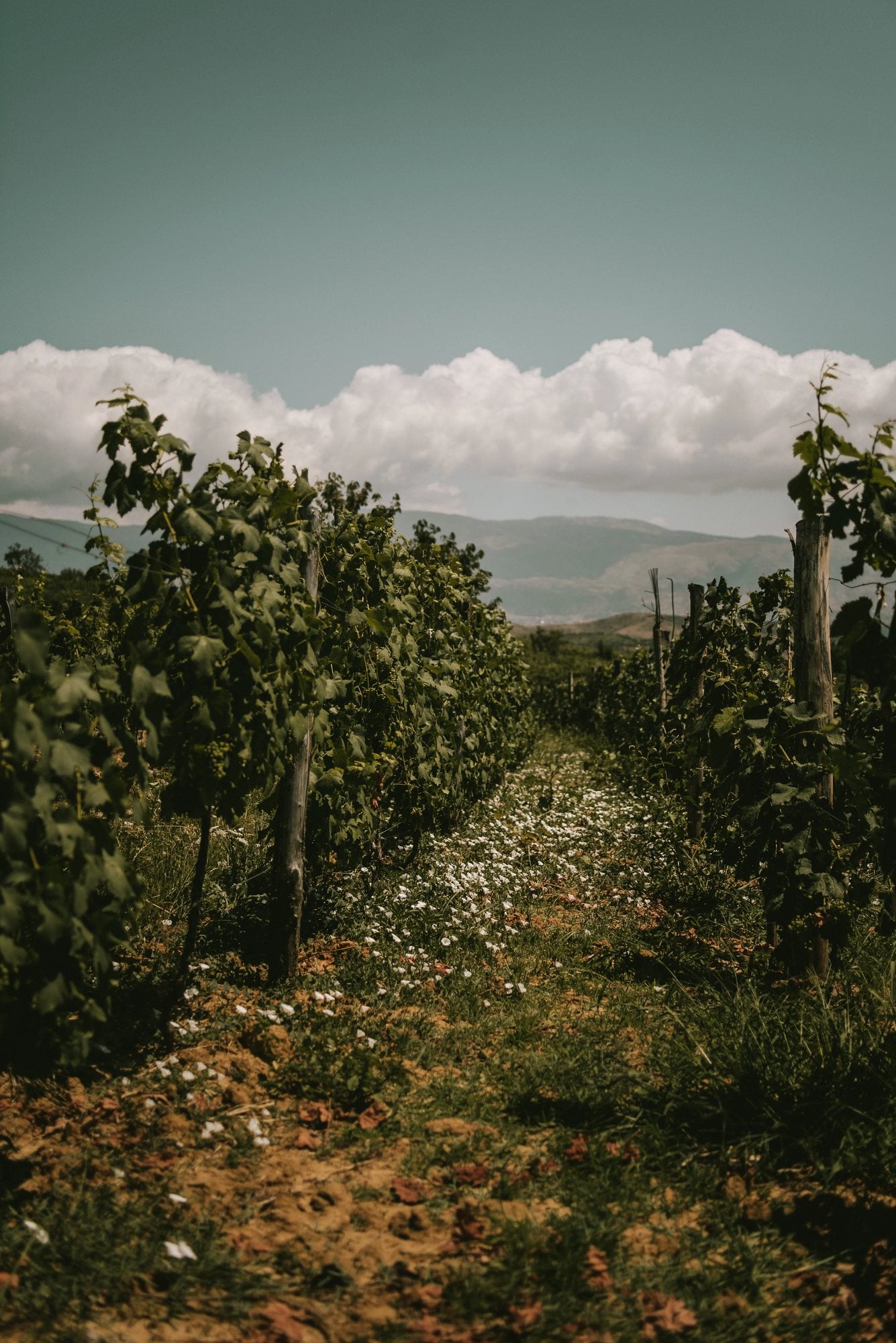
Keep climbing to the southeast, where the vineyards around Korçë and Pogradec sit between 600 and 800 meters. Cooler nights at this height help the grapes keep their freshness. This is the heartland of Serinë (say seh REE nuh), a native grape that comes in red and white forms, and most of its vineyards lie in the east of Korçë County.
Try it with lakror, the layered pie Korçë is known for.
Six Regions at a Glance
| Region | Grape to Know | Style |
|---|---|---|
| Vlorë | Vlosh | Light, elegant red |
| Tirana | Shesh i Bardhë, Shesh i Zi | Crisp whites, orange wines and reds |
| Lezhë | Kallmet | Dry, structured red |
| Shkodër | Vranac | Deep, tannic red |
| Berat | Pulës | Whites and traditional method sparkling |
| Korçë | Serinë | Fresh reds and whites from altitude |
Beyond These Six Regions
These six regions are only the beginning. Albania also makes wine around Durrës, Elbasan, Lushnjë and Përmet, among others, and the story continues past the border, where Albanian producers make wine in Kosovo, Montenegro and North Macedonia.
In Kosovo, the Rahovec valley is the center of winemaking, with a tradition of around 2,000 years and vineyards of Vranac, Prokupac and Smederevka.
In Montenegro, the basin of Lake Skadar, the same lake that touches Shkodër, is the most important wine region and the original home of Vranac, alongside the red Kratošija and the white Krstač.
In North Macedonia, Vranec is the most widely grown grape, and vines stretch from the Vardar valley in the center of the country to Ohrid, Struga and Tetovo in the west.
Ready to taste the regions? Explore our Albanian wines. And to see what happened when we poured twelve of them for guests on the other side of the world, read about our tasting in Singapore.